I am Md. Anisur Rahman. I have completed Cyber Security for MSCSE at United International University in 2022.I have completed PGDIT from IIT, Jahangirnagar University in 2020. I'm a Head of IT at Programming24 School.
আরবি ভাষা কুরআন ও ইসলামের মূল ভাষা। কিন্তু অনেকের জন্য আরবি ব্যাকরণ শেখা কঠিন মনে হয়। সেই সমস্যাকে সহজ করার জন্য আমরা তৈরি করেছি সম্পূর্ণ বিনামূল্যের “আরবি ব্যাকরণ কোর্স”, যেখানে ধাপে ধাপে সহজ ভাষায় আরবি ব্যাকরণের গুরুত্বপূর্ণ বিষয়গুলো শেখানো হবে।
এই কোর্সে আমরা শুরু থেকে উন্নত স্তর পর্যন্ত মোট ২০টি গুরুত্বপূর্ণ অধ্যায় সাজিয়েছি। প্রতিটি অধ্যায়ে থাকবে সহজ ব্যাখ্যা, বাস্তব উদাহরণ এবং অনুশীলন। ফলে একজন শিক্ষার্থী ধীরে ধীরে আরবি বাক্য বুঝতে এবং নিজে বাক্য গঠন করতে সক্ষম হবে।
এই কোর্সটি বিশেষভাবে উপকারী হবে—
যারা কুরআনের আরবি বুঝতে চান
যারা আরবি ভাষা শিখতে চান
যারা ইসলামিক স্টাডিজে আগ্রহী
এবং যারা ব্যাকরণকে সহজভাবে আয়ত্ত করতে চান
সবচেয়ে বড় বিষয় হলো, এই কোর্সটি সম্পূর্ণ ফ্রি এবং যে কেউ যেকোনো সময় অনলাইনে শিখতে পারবেন।
কোর্সের বিশেষ বৈশিষ্ট্য
এই কোর্সটি এমনভাবে সাজানো হয়েছে যাতে একজন শিক্ষার্থী ধাপে ধাপে আরবি ব্যাকরণ আয়ত্ত করতে পারে।
কোর্সের বৈশিষ্ট্য:
১০০% ফ্রি কোর্স
২০০+ উদাহরণসহ ব্যাখ্যা
২০টি গুরুত্বপূর্ণ ব্যাকরণ অধ্যায়
৪টি ধাপে সাজানো সম্পূর্ণ লার্নিং মডিউল
কুরআনিক উদাহরণসহ ব্যাখ্যা
সহজ ভাষায় ব্যাকরণ শেখার সুযোগ
সম্পূর্ণ কারিকুলাম সূচি
কোর্সটি মোট ৪টি স্তরে ভাগ করা হয়েছে যাতে শেখা আরও সহজ হয়।
ভিত্তি স্তর (Foundation Level)
এই স্তরে আরবি ব্যাকরণের একদম মৌলিক বিষয়গুলো শেখানো হবে। যারা নতুন তাদের জন্য এটি সবচেয়ে গুরুত্বপূর্ণ অংশ।
১. ইসম এর পরিচয়
আরবি ভাষায় ইসম (Noun) কী, তার প্রকারভেদ এবং বাক্যে এর ব্যবহার।
২. শামশিয়াহ – কমরিয়াহ
আরবি ال (আলিফ-লাম) এর দুই ধরনের উচ্চারণ ও ব্যবহারের নিয়ম।
৩. মারিফা – নাকিরা
নির্দিষ্ট (Definite) এবং অনির্দিষ্ট (Indefinite) শব্দের পার্থক্য।
৪. মুয়ান্নাস – মুজাক্কার
আরবি ভাষায় পুংলিঙ্গ ও স্ত্রীলিঙ্গ শব্দের নিয়ম এবং সেগুলোর ব্যবহার।
৫. হারফুল জার
আরবি Preposition বা Harful Jar কী এবং কিভাবে বাক্যে ব্যবহার হয়।
বাক্য স্তর (Sentence Level)
এই স্তরে আরবি বাক্য গঠন শেখানো হবে।
৬. মুবতাদা – খবর
আরবি Nominal Sentence এর মূল গঠন এবং বাক্য তৈরি।
৭. ইশমুল ইশারহ
আরবি Demonstrative Pronoun যেমন: هذا، هذه، ذلك ইত্যাদির ব্যবহার।
৮. দমীর (মুনফাসিল)
আরবি Pronoun বা সর্বনাম এবং তার বিভিন্ন রূপ।
৯. ইসমুন মাউসুলাহ
Relative Pronoun যেমন: الذي، التي ইত্যাদি।
১০. মাউসুফ – সিফাত
Adjective ও Noun এর সম্পর্ক এবং সঠিক বাক্য গঠন।
রূপান্তর স্তর (Transformation Level)
এই স্তরে শব্দ ও বাক্যের রূপান্তর শেখানো হবে।
১১. মুদাফ – মুদাফ ইলাইহি
আরবি Possessive Structure বা Idafa Construction।
১২. মারফু – মানসুব – মাজরুর
আরবি ব্যাকরণের ইরাব (Case Ending) বোঝা।
১৩. আদাদ (বচন)
একবচন, দ্বিবচন এবং বহুবচনের নিয়ম।
১৪. আতফু (অব্যয়)
আরবি Conjunction বা শব্দ সংযোগের নিয়ম।
১৫. ফিল (মাদী – মুদারি)
আরবি Verb এবং তার দুইটি প্রধান রূপ।
উন্নত স্তর (Advanced Level)
এই স্তরে আরবি ব্যাকরণের আরও গভীর বিষয় শেখানো হবে।
১৬. সরফ (শব্দ রূপান্তর)
আরবি শব্দের সরফ(Morphology) এবং শব্দের রূপ পরিবর্তন।
১৭. মাজহুল (Passive)
আরবি Passive Voice এবং তার ব্যবহার।
১৮. আন নাহিইয়াহ
নিষেধ বা Negative Command এর ব্যবহার।
১৯. ইস্তিফহামিয়া
আরবি প্রশ্নবোধক বাক্য তৈরির নিয়ম।
২০. জুমলার প্রকার
আরবি বাক্যের বিভিন্ন ধরন ও গঠন।
এই কোর্স থেকে আপনি কী শিখবেন
এই কোর্স শেষ করার পর একজন শিক্ষার্থী—
আরবি ব্যাকরণের মৌলিক নিয়ম বুঝতে পারবে
আরবি বাক্য তৈরি করতে পারবে
কুরআনের অনেক আয়াত ব্যাকরণসহ বুঝতে পারবে
আরবি ভাষা শেখার জন্য একটি শক্ত ভিত্তি তৈরি হবে
কেন এই কোর্সটি বিশেষ
এই কোর্সটি তৈরি করা হয়েছে এমনভাবে যাতে কঠিন ব্যাকরণকে সহজভাবে শেখানো যায়। প্রতিটি অধ্যায়ে থাকবে বাস্তব উদাহরণ, সহজ ব্যাখ্যা এবং ধাপে ধাপে শেখার পদ্ধতি।
সবচেয়ে গুরুত্বপূর্ণ বিষয় হলো— এই কোর্সটি সম্পূর্ণ ফ্রি এবং সবার জন্য উন্মুক্ত।
আজই শুরু করুন
আপনি যদি আরবি ব্যাকরণ সহজভাবে শিখতে চান এবং কুরআনের ভাষা বোঝার দিকে এক ধাপ এগিয়ে যেতে চান, তাহলে আজই এই কোর্সটি শুরু করুন।
This project focuses on the design and implementation of a Short Circuit Detection system in the DCAClab circuit simulator. A short circuit occurs when an unintended low-resistance path is created, causing excessive current flow that can damage components, overheat circuits, or pose safety hazards. Our system monitors current and voltage in real-time to identify abnormal conditions indicative of a short circuit. Once detected, the system triggers alerts, helping users prevent potential circuit damage and ensuring safe operation within the simulation environment. This implementation serves as both a practical educational tool and a prototype for real-world short circuit monitoring systems.
Introduction
Short circuit detection refers to the process of identifying when an unintended low-resistance connection occurs in an electronics or electrical circuit, typically between two points where it shouldn’t exist. This abnormal connection causes a large current to flow, potentially leading to damage, overheating, or even fire. Detecting short circuits is crucial for protecting electrical components, systems, and personnel.
In DCAClab Circuit Simulator – Real Time Short Circuit Detection – a feature that sets a new industry standard in educational and professional circuit simulation tools. DCAClab is now among the first in its category to intelligently detect and respond to short circuit conditions in real time, ensuring both a realistic simulation experience and a deeper understanding of circuit behavior.
Why Short Circuit Detection Matters
In real-life electronics and electrical systems, short circuits are dangerous faults that can damage components, overheat wires, or even start fires. In a virtual lab environment, it is crucial that students and professionals learn to recognize and avoid these conditions. Our advanced short circuit detection brings real-world consequences into the simulator, enhancing both safety awareness and design accuracy.
How DCAClab Detects Short Circuits Intelligently
DCAClab’s short circuit detection engine is built using advanced algorithms that analyze current paths, voltage drops, and impedance behavior in real-time. Here’s how it works in different scenarios:
1. Short Circuit Between Power Supply Terminals
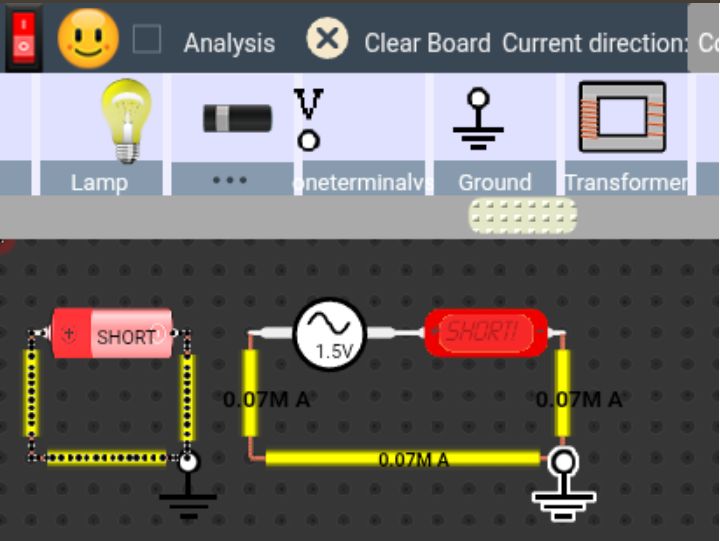
If we directly connect the positive (+) and negative (−) terminals of a voltage or current source using a single wire with negligible resistance, the simulator will immediately detect a short circuit.
What happens in DCAClab:
A visual warning is triggered
A Red colored indicator
This helps users understand why a direct connection across the source terminals is dangerous, mirroring what would happen in a physical lab environment.
2. Short Circuit Through Incorrect Ammeter Usage
A common mistake in circuits is placing an ammeter in parallel with a voltage source or component. Since an ideal ammeter has nearly zero resistance, this creates a low-resistance path, leading to a potential short circuit.
DCAClab’s response:
Detects when the ammeter is incorrectly placed
Highlights the short-circuit current path
Warns the user and provides correction advice
This ensures users not only fix the circuit but also learn proper instrumentation practices.
3.Short Circuit via Low-Impedance Reactive Components
In AC circuits, components like capacitors and inductors can behave as very low impedance paths at certain frequencies, especially when:
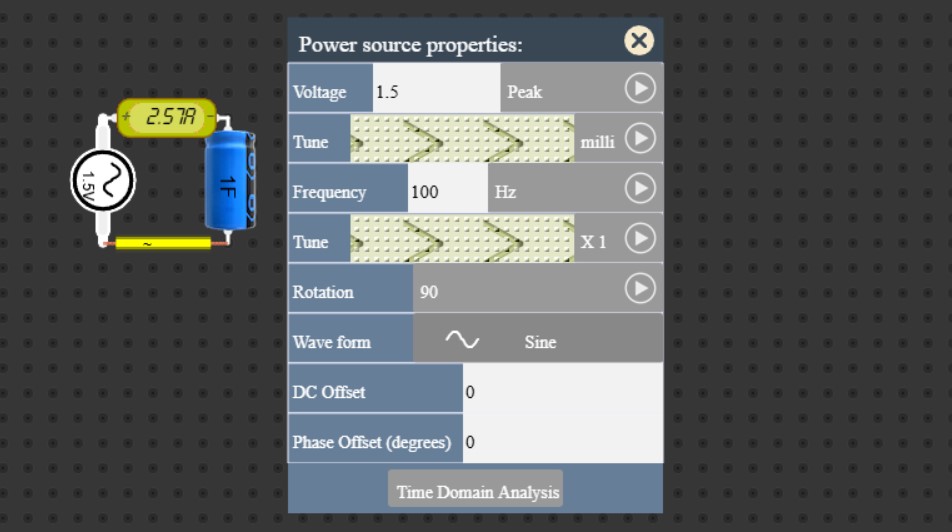
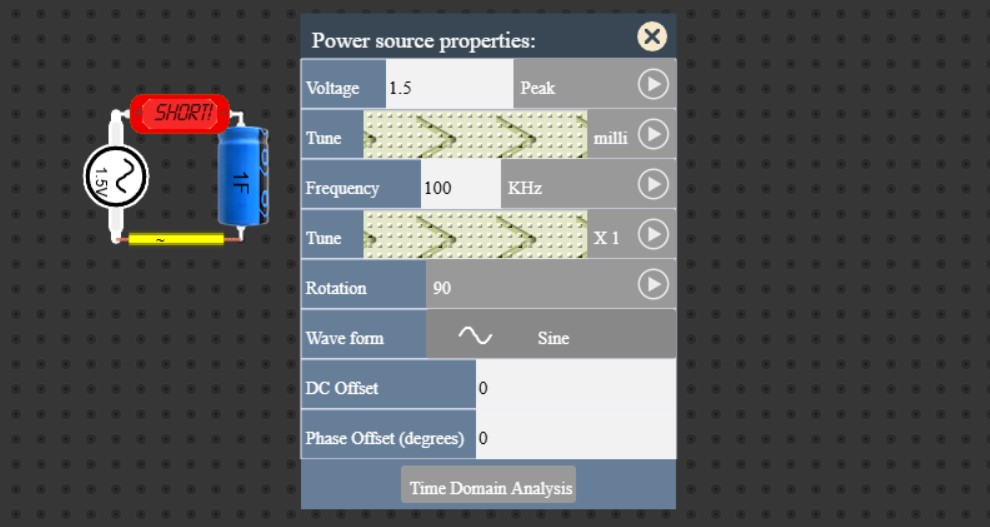
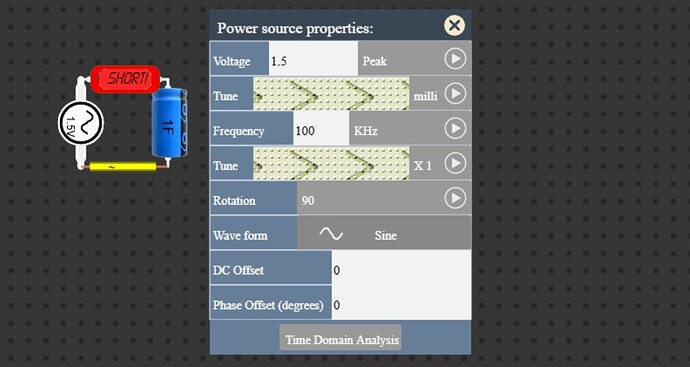
Capacitors act like a wire at high frequency
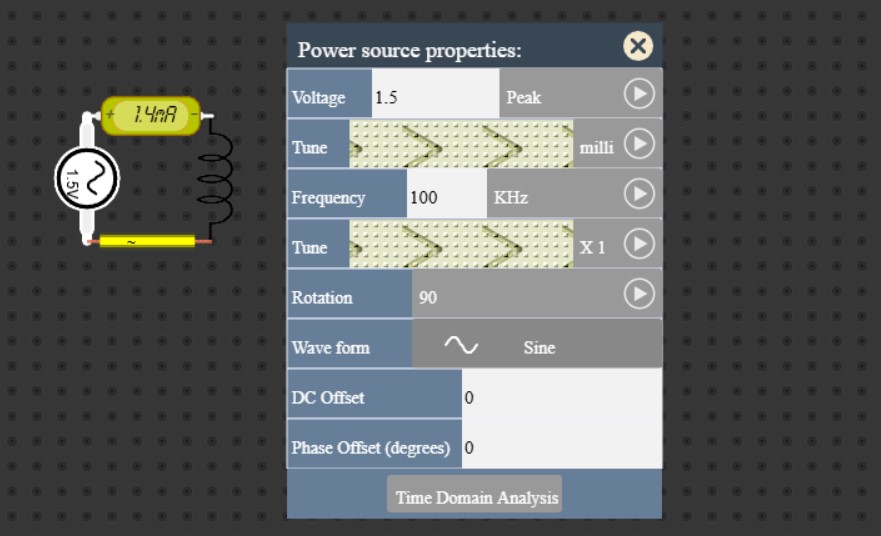
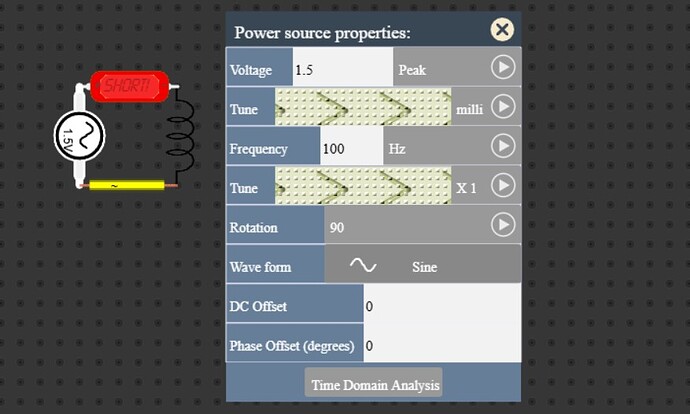
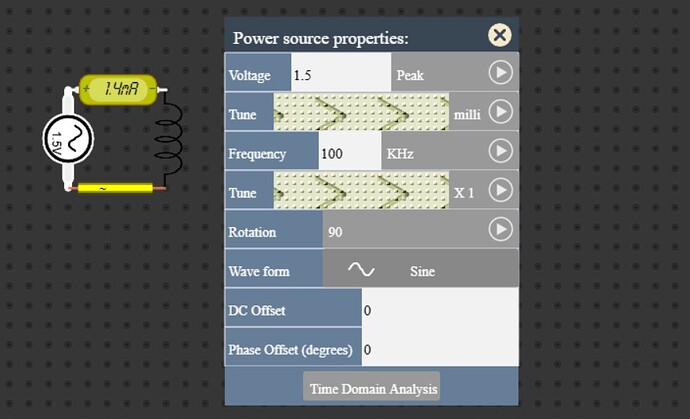
Inductors act like a wire at low frequency
DCAClab now simulates this frequency-dependent behavior. If the impedance of a component drops too low due to circuit configuration or signal characteristics, it triggers a dynamic short circuit warning.
High Frequency in Capacitor
Low Frequency in Inductor
Educational Value:
Users understand the frequency behavior of reactance
See real-time impedance graphs and explanations
Gain insight into concepts like resonance and filter failure
4. Incorrect Grounding and Loop Creation
If a user creates an unintentional loop between power terminals or ground points with no load or resistance, the simulation recognizes this as a zero-impedance path and notifies the user of the short circuit condition.
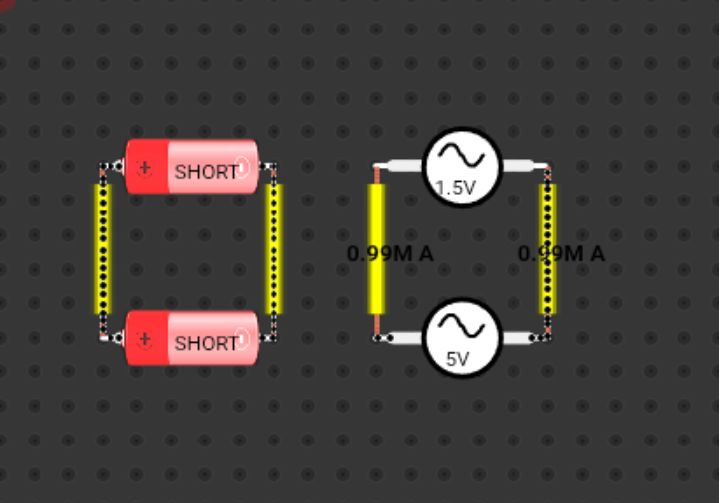
5. Parallel Voltage Sources
Short Circuit is occured when two voltage sources are connected in parallel with different voltages. To show AC short circuit, DMM or Ammeter is required in DCAClab.
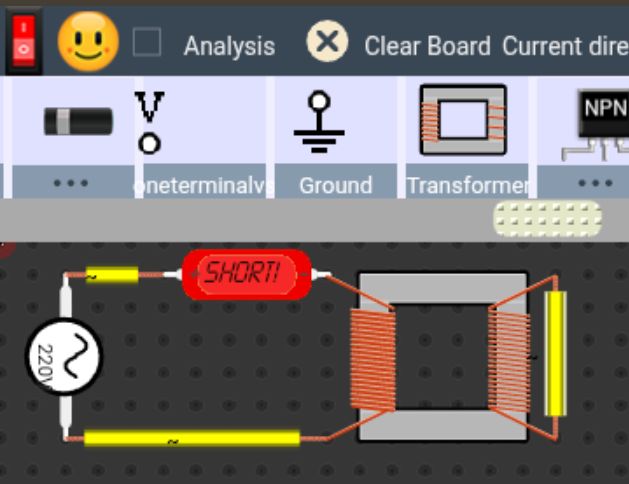
6. Secondary Coil Shorted Directly in Transformer
7. Diode or Diode Bridge Shorted in AC Source
8. Relay Short Circuit for 0 resistance of coil
In the relay, the coil has a certain resistance that limits the current flow. By setting the resistance to 0, there is no resistance to oppose the flow of current. As a result, the current flows uncontrollably, leading to an excessive flow of current through the circuit. This is essentially a short circuit condition.
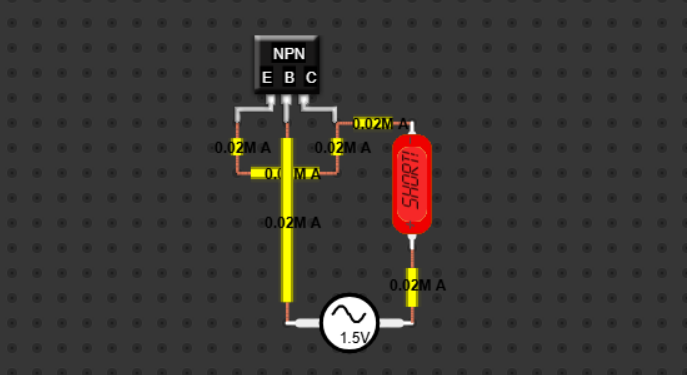
9. Emmiter and Collector directly short in Transistor
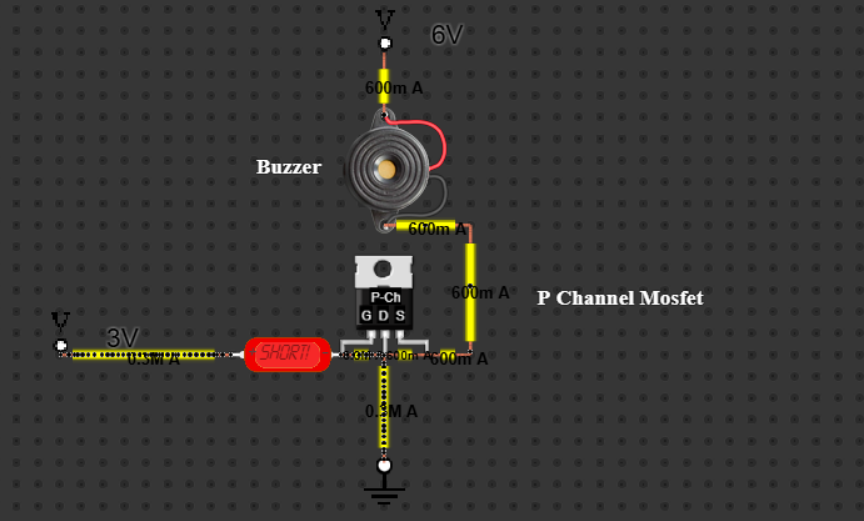
10. Gate, Source and Drain Direcly Short in P and N Channel Mosfet
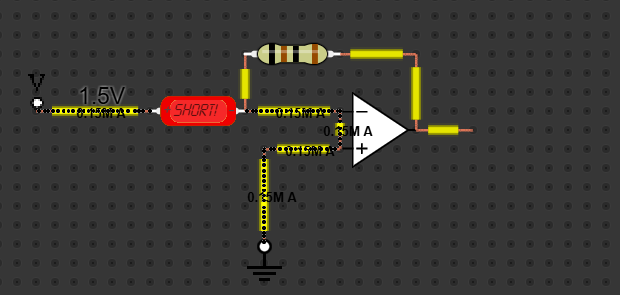
11. Opamp Short Circuit
Short Circuit Types – Summary Table
Category
Example
Triggered in DCAClab
Power Supply Short
Wire directly between + and − of a voltage source
Yes
Ammeter Misuse
Ammeter placed in parallel with resistor or voltage source
Yes
Capacitor Reactance (AC)
Capacitor in high-frequency AC circuit behaving as short
Yes
Inductor Reactance (AC)
Inductor in low-frequency AC circuit behaving as short
Yes
Ground Loop
Multiple grounds directly connected without load
Yes
Infinite Loop Path
Wire loop with no resistance or load
Yes
Internal Component Fault
Shorted transistor (e.g., collector-emitter)
Yes
Parallel Voltage Sources
Two voltage sources connected in parallel with different voltages
Yes
Op-Amp Misconnection
Output shorted to input or power rails or direct short
Yes
Transformer Short
Secondary coil shorted directly
Yes
Capacitor Charged & Shorted
Charged capacitor terminals shorted suddenly
Yes
Miswired Bridge Rectifier
AC input shorted across DC output terminals
Yes
Electrolytic Capacitor Error
Polarity reversed on polarized capacitor
Yes
Relay Short Circuit
When set up 0 resistance of coil
Yes
Key Features of DCAClab’s Short Circuit Detection
Real-time monitoring of current paths and node voltages
Intelligent analysis of impedance across all components
Frequency-aware behavior for AC analysis
Realistic modeling of ammeter and voltmeter internal resistance
Friendly educational messages and correction suggestions
Helps prevent component damage in simulation
Visually highlights short circuit paths for easy troubleshooting
Built for Learners, Loved by Professionals
DCAClab isn’t just about circuit building — it’s about learning and mastering electrical and electronic design. This new short circuit detection system encourages users to:
Think critically about their circuit layout
Understand electrical safety principles
Learn the real-world behavior of components and instruments
Develop diagnostic skills useful for engineering careers.
Conclusion:
Short circuit detection is essential for ensuring the safety and reliability of electrical and electronic systems. By identifying unintended low-resistance connections promptly, it prevents excessive current flow, protects components from damage, reduces the risk of overheating or fire, and safeguards personnel. Effective short circuit detection is a critical aspect of circuit design and maintenance.
References:
Osman, M., & Habiballah, I. O. (2021). A Review of Short-Circuit Fault Analysis and Novel Fault Detection Methods. International Journal of Engineering Research & Technology (IJERT), 10(12). (IJERT)
Santos, A. d. S., Faria, L. T., Lopes, M. L. M., Lotufo, A. D. P., & Minussi, C. R. (2022). Efficient Methodology for Detection and Classification of Short-Circuit Faults in Distribution Systems with Distributed Generation. Sensors, 22(23), 9418. (MDPI)
Brito Palma, L. (2024). Hybrid Approach for Detection and Diagnosis of Short-Circuit Faults in Power Transmission Lines. Energies, 17(9), 2169. (MDPI)
“A New Method of Early Short Circuit Detection.” (n.d.). ResearchGate PDF. (ResearchGate)
“Detection of Inter-Turn Short-Circuit Faults for Inverter-Fed Induction Machines.” (2025). Sensors, 25(15), 4844. (MDPI)
Zhang, C., & Zhang, X. P. (2024). Bus Short-Circuit Fault Detection and Repair Technology for Improving Inverter System Reliability. Open Access Library Journal, 11, 1-15. (SCIRP)
“A Review of Winding Short-Circuit Fault and Irreversible Demagnetization Fault in PMSM: Diagnosis Techniques.” (2021). Energies, 11(12), 3309. (MDPI)
“Review of Short Circuit and Fault Analysis in Power Systems.” (n.d.). International Journal for Technological Research in Engineering. (IJTRE)
“A Literature Review of Fault Detection and Diagnostic Methods in Inverters.” (2022). Machines, 12(9), 631. (MDPI)
“Universal Short-Circuit and Open-Circuit Fault Detection for an Inverter.” (2024). Conference Paper. (old.curent.utk.edu)
“Short and Open Circuit Faults Study in the PV System Inverter.” (n.d.). SemanticsScholar PDF. (Semantic Scholar)
“An Effective Methodology for Short-Circuit Calculation of Power Systems Dominated by Power Electronics Converters Considering Unbalanced Voltage Conditions and Converter Limits.” (2022). arXiv preprint. (arXiv)
“Incipient Fault Detection in Power Distribution System: A Time-Frequency Embedded Deep Learning Based Approach.” (2023). arXiv preprint. (arXiv)
Cai, T., Mohtat, P., Stefanopoulou, A. G., & Siegel, J. B. (2020). Li-ion Battery Fault Detection in Large Packs Using Force and Gas Sensors. arXiv preprint. (arXiv)
“DCACLab – Online Circuit Simulator for STEM Education.” (n.d.). DCACLab official website. (DCACLab)
In AC (alternating current) circuits, impedance is the opposition that a component offers to the flow of alternating current. Two fundamental components in AC circuits—capacitors and inductors—react differently to changes in frequency. Understanding these differences is crucial in designing and analyzing electrical circuits.
Impedance Basics:
Impedance, represented as Z, is measured in ohms and consists of resistance and reactance. For capacitors and inductors, the impedance is purely reactive, which means it does not dissipate energy as heat but stores and releases energy. The way capacitors and inductors behave with frequency is opposite, and this difference is critical to circuit design.
Capacitor Impedance:
The impedance of a capacitor is inversely proportional to the frequency. The formula for capacitive impedance is:
Z = 1 / (2 * pi * f * C)
Where:
Z = Capacitive impedance in ohms
pi = 3.14159 (approximately)
f = Frequency in hertz (Hz)
C = Capacitance in farads
As frequency increases, the impedance of a capacitor decreases. At higher frequencies, the capacitor charges and discharges more quickly, allowing more current to pass through. This means it offers less opposition to AC at high frequencies.
Low Frequency in Capacitor:
High Frequency in Capacitor
In summary:
At low frequency, capacitor impedance is high. It acts like an open circuit.
At high frequency, capacitor impedance is low. It acts like a short circuit.
Inductor Impedance:
The impedance of an inductor is directly proportional to the frequency. The formula for inductive impedance is:
Z = 2 * pi * f * L
Where:
Z = Inductive impedance in ohms
pi = 3.14159 (approximately)
f = Frequency in hertz (Hz)
L = Inductance in henrys
As frequency increases, the impedance of an inductor increases. This is because inductors resist changes in current. At higher frequencies, current changes more rapidly, so the inductor generates a stronger opposing voltage, increasing its opposition to current.
Low Frequency in Inductor:
High Frequency in Inductor:
In summary:
At low frequency, inductor impedance is low. It acts like a short circuit.
At high frequency, inductor impedance is high. It acts like an open circuit.
Why the Difference:
Capacitors store energy in an electric field, and as the frequency increases, they can respond more quickly, reducing their impedance. Inductors store energy in a magnetic field, and as the frequency increases, they resist faster changes in current more strongly, increasing their impedance. This difference is due to the way each component interacts with time-varying currents and voltages.
Summary Table:
Component
Impedance Formula
Impedance at Low Frequency
Impedance at High Frequency
Capacitor
Z = 1 / (2 * pi * f * C)
High (open circuit)
Low (short circuit)
Inductor
Z = 2 * pi * f * L
Low (short circuit)
High (open circuit)
Conclusion:
Understanding how capacitors and inductors respond to frequency is essential in AC circuit analysis and filter design. Capacitors pass high-frequency signals and block low-frequency ones, while inductors block high-frequency signals and pass low-frequency ones. This fundamental behavior is used in designing filters, oscillators, signal processors, and more.
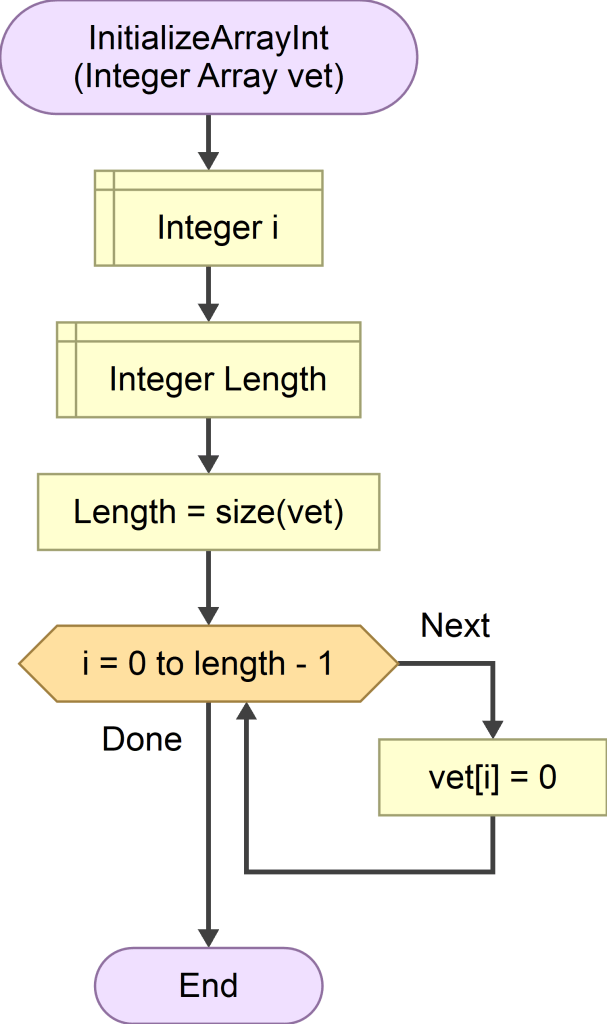
function initializeArrayInt(array, length):
    for i = 0 to length - 1:
        array[i] = 0

function bonacciseries(n, m):
    array[m]
    i = 0
    j = 0

    if m >= n:
        initializeArrayInt(array, m)
        array[n - 1] = 1
        i = n

        while i < m:
            j = i - n
            while j < i:
                array[i] = array[i] + array[j]
                j = j + 1
            end while
            i = i + 1
        end while

        i = 0
        while i < m:
            output array[i]
            output " "
            i = i + 1
        end while

    else:
        output "M >= N !!"
    end if

function main():
    n = 0
    m = 0

    output "N-bonacci numbers"
    output "N-bonacci number to calculate?"
    input n
    output "How many series's numbers?"
    input m
    bonacciseries(n, m)
#include <stdio.h>

void initializeArrayInt(int vet[], int length) {
    int i;
    for (i = 0; i < length; i++) {
        vet[i] = 0;
    }
}

void bonacciseries(int n, int m) {
    int a[m];
    int i, j;

    if (m >= n) {
        initializeArrayInt(a, m);
        a[n - 1] = 1;
        i = n;
        while (i < m) {
            j = i - n;
            while (j < i) {
                a[i] = a[i] + a[j];
                j = j + 1;
            }
            i = i + 1;
        }
        i = 0;
        while (i < m) {
            printf("%d ", a[i]);
            i = i + 1;
        }
    } else {
        printf("M >= N !!\n");
    }
}

int main() {
    int n, m;

    printf("N-bonacci numbers\n");
    printf("N-bonacci number to calc?\n");
    scanf("%d", &n);
    printf("How many series's numbers?\n");
    scanf("%d", &m);
    bonacciseries(n, m);

    return 0;
}
BEGIN

 FOR ALL v ∈ V

  d[v][v] ← 0

 FOR ALL (u,v) ∈ E

  d[u][v] ← w(u,v)

 for k from 1 to |V|

  for i from 1 to |V|

   for j from 1 to |V|

    if d[i][j] > d[i][k] + d[k][j]

     d[i][j] ← d[i][k] + d[k][j]

    end if

END
BEGIN

  d(v[1]) ← 0

  FOR j = 2,..,n DO

    d(v[j]) ← ∞

  FOR i = 1,..,(|V|-1) DO

    FOR ALL (u,v) in E DO

      d(v) ← min(d(v), d(u)+l(u,v))

  FOR ALL (u,v) in E DO

    IF d(v) > d(u) + l(u,v) DO

      Message: "Negative Circle"

END
Enter the number of vertices and edges: 5 7
Enter edge information (u v weight):
0 1 4
0 2 1
1 2 3
1 3 2
2 3 4
2 4 5
3 4 1
Enter the source vertex: 0
Shortest paths from source vertex 0:
Vertex 1: Distance = 4, Pred = 0
Vertex 2: Distance = 1, Pred = 0
Vertex 3: Distance = 5, Pred = 2
Vertex 4: Distance = 6, Pred = 2
Enter number of vertices and edges: 4 5
Enter edge (u v weight):
1 2 2
1 3 3
2 3 1
2 4 4
3 4 5
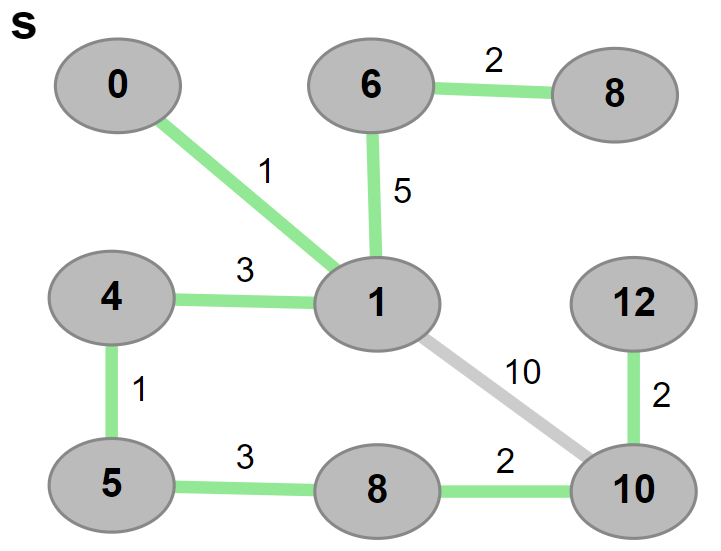
Enter edge (u v weight): (2, 3) in MST
(1, 2) in MST
(2, 4) in MST
MST Weight: 7
MST-Prim(G,r)
for each u ∈ G.V
       u.key = ∞
	   u.pred = nil
	   r.key = 0
	   Q = G.V
while Q ≠ ∅
	 u = ExtractMin(Q)
	 for each v ∈ G.Adj[u]
	 if v ∈ Q and w(u,v) < v.key
	 v.pred = u
	 v.key = w(u,v)
#include <stdio.h>
#include <stdlib.h>
#include <stdbool.h>
#include <limits.h>

// Define the maximum number of vertices in the graph
#define MAX_VERTICES 100

// Structure to represent a vertex
struct Vertex {
    int key;
    int pred;
};

// Function to extract the vertex with the minimum key from the queue
int extractMin(struct Vertex Q[], int size, bool visited[]) {
    int minIndex = -1;
    int minValue = INT_MAX;

    for (int i = 0; i < size; i++) {
        if (!visited[i] && Q[i].key < minValue) {
            minValue = Q[i].key;
            minIndex = i;
        }
    }

    return minIndex;
}

// Main Prim's algorithm function
void MST_Prim(int G[MAX_VERTICES][MAX_VERTICES], int numVertices, int r) {
    struct Vertex vertices[MAX_VERTICES];
    bool visited[MAX_VERTICES] = {false};

    // Initialize vertices
    for (int u = 0; u < numVertices; u++) {
        vertices[u].key = INT_MAX;
        vertices[u].pred = -1;
    }

    vertices[r].key = 0;

    for (int i = 0; i < numVertices; i++) {
        int u = extractMin(vertices, numVertices, visited);
        visited[u] = true;

        for (int v = 0; v < numVertices; v++) {
            if (G[u][v] && !visited[v] && G[u][v] < vertices[v].key) {
                vertices[v].pred = u;
                vertices[v].key = G[u][v];
            }
        }
    }

    // Print the minimum spanning tree
    printf("Edge   Weight\n");
    for (int i = 0; i < numVertices; i++) {
        if (vertices[i].pred != -1) {
            printf("%d - %d   %d\n", vertices[i].pred, i, vertices[i].key);
        }
    }
}

int main() {
    int numVertices, r;
    int G[MAX_VERTICES][MAX_VERTICES];

    printf("Enter the number of vertices: ");
    scanf("%d", &numVertices);

    printf("Enter the adjacency matrix:\n");
    for (int i = 0; i < numVertices; i++) {
        for (int j = 0; j < numVertices; j++) {
            scanf("%d", &G[i][j]);
        }
    }

    printf("Enter the root vertex: ");
    scanf("%d", &r);

    MST_Prim(G, numVertices, r);

    return 0;
}








 Mesh 1 (Left Loop): (V1, R1, R2, R3)
 Mesh 2 (Right Loop): (V2, R3, R4, R5)
 Mesh 1: Current ( I1 ) flows clockwise (CW).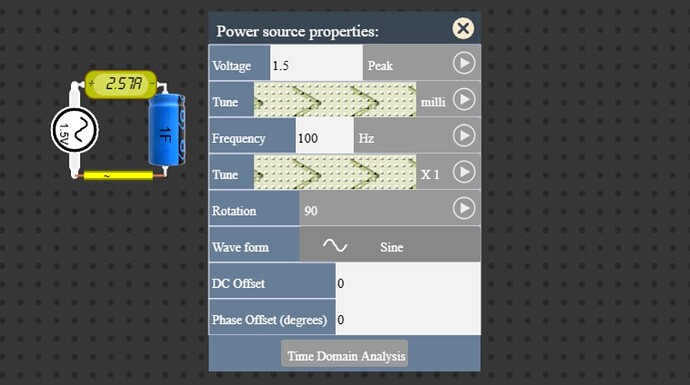





 Programming24 School