C Programming Lab Manual – 60

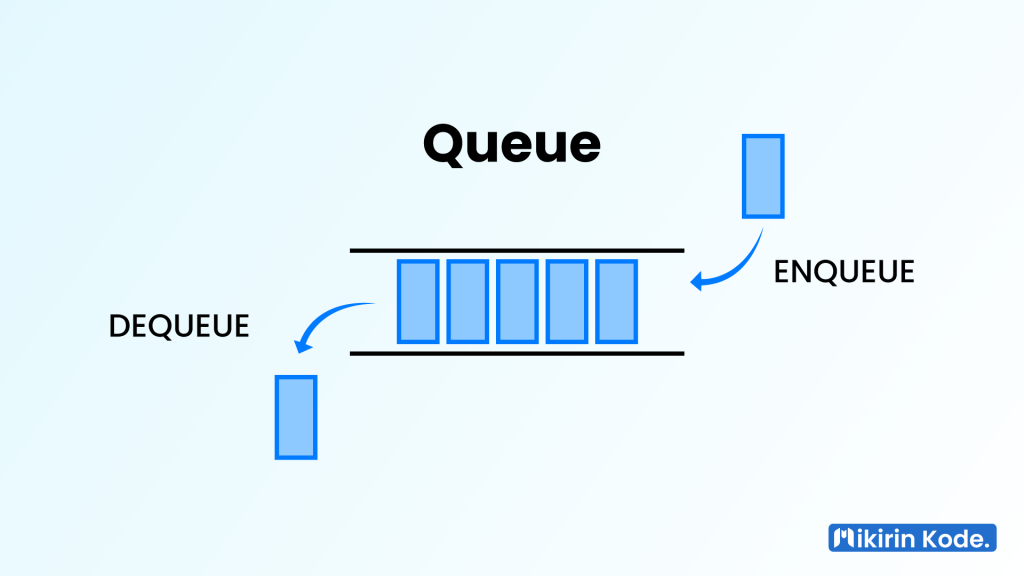
Write a C program for Circular Queue Implementation.

#define MAX_SIZE 5 

int a[MAX_SIZE];
int front = -1;
int rear = -1;

void enqueue(int x)
if (front == -1 && rear == -1)
front = rear = 0;

else
rear = (rear + 1) % MAX_SIZE;
a[rear] = x;


void dequeue()
if (front == -1 && rear == -1)
printf("queue is empty \n");
return;

else if (front == rear)
front = rear = -1;
else
front = (front + 1) % MAX_SIZE;


Figure: Circular Queue Implementation

// Circular Queue implementation in C

#include <stdio.h>


int items[5];
int front = -1, rear = -1;

// Check if the queue is full
int isFull() {
  if ((front == rear + 1) || (front == 0 && rear == 5 - 1)) 
return 1;
  return 0;
}

// Check if the queue is empty
int isEmpty() {
  if (front == -1) return 1;
  return 0;
}

// Adding an element
void enQueue(int element) {
  if (isFull())
    printf("\n Queue is full!! \n");
  else {
    if (front == -1) front = 0;
    rear = (rear + 1) % 5;
    items[rear] = element;
    printf("\n Inserted -> %d", element);
  }
}

// Removing an element
int deQueue() {
  int element;
  if (isEmpty()) {
    printf("\n Queue is empty !! \n");
    return (-1);
  } else {
    element = items[front];
    if (front == rear) {
      front = -1;
      rear = -1;
    } 
    // Q has only one element, so we reset the 
    // queue after dequeing it. ?
    else {
      front = (front + 1) % 5;
    }
    printf("\n Deleted element -> %d \n", element);
    return (element);
  }
}

// Display the queue
void display() {
  int i;
  if (isEmpty())
    printf(" \n Empty Queue\n");
  else {
    printf("\n Front -> %d ", front);
    printf("\n Items -> ");
    for (i = front; i != rear; i = (i + 1) % 5) {
      printf("%d ", items[i]);
    }
    printf("%d ", items[i]);
    printf("\n Rear -> %d \n", rear);
  }
}

int main() {
    //!showArray(items)

  deQueue();
  enQueue(1);
  enQueue(2);
  enQueue(3);
  enQueue(4);
  enQueue(5);
  enQueue(6);
  display();
  deQueue();
  display();
  enQueue(7);
  display();
  enQueue(8);

  return 0;
}

Queue is empty !! 

 Inserted -> 1
 Inserted -> 2
 Inserted -> 3
 Inserted -> 4
 Inserted -> 5
 Queue is full!! 

 Front -> 0 
 Items -> 1 2 3 4 5 
 Rear -> 4 

 Deleted element -> 1 

 Front -> 1 
 Items -> 2 3 4 5 
 Rear -> 4 

 Inserted -> 7
 Front -> 1 
 Items -> 2 3 4 5 7 
 Rear -> 0 

 Queue is full!! 

C Programming Lab Manual – 59

Write a C program for Queue Implementation.

FUNCTION is_full(front, rear)
    IF (rear + 1) MOD MAX_SIZE == front THEN
    	RETURN True    	
    ELSE
        RETURN False
    ENDIF
ENDFUNCTION 


FUNCTION enqueue(queue, front, rear, data)
    IF is_full(front, rear) == True THEN
        PRINT("Queue is full")
    ELSE
        rear = (rear + 1) MOD MAX_SIZE
    	queue[rear] = data
        IF front = -1 THEN // First item to be queued
            front = 0
        ENDIF
    ENDIF
    RETURN (front, rear)
ENDFUNCTION

FUNCTION dequeue(queue, front, rear)
    IF is_empty(rear) == True THEN
	PRINT("Queue is empty - nothing to dequeue")
        dequeued_item = Null
    ELSE
        dequeued_item = queue[front]
        // Check if the queue is empty
        IF front == rear THEN
            front = -1
            rear = -1
        ELSE
            front = (front + 1) MOD maxsize 
        ENDIF
    ENDIF
    RETURN (dequeued_item, front, rear)
ENDFUNCTION

Figure: Queue Implementation

#include <stdio.h>

int queue[4];
int front = -1;
int rear = -1;

void enqueue(int value) {
    if (rear == 4 - 1) {
        printf("Queue is full. Cannot enqueue.\n");
        return;
    }
    if (front == -1)
        front = 0;
    rear++;
    queue[rear] = value;
}

void dequeue() {
    if (front == -1 || front > rear) {
        printf("Queue is empty. Cannot dequeue.\n");
        return;
    }
    front++;
}

int getFront() {
    if (front == -1 || front > rear) {
        printf("Queue is empty. No front element.\n");
        return -1;
    }
    return queue[front];
}

int isEmpty() {
    if (front == -1 || front > rear)
        return 1;
    else
        return 0;
}

int getSize() {
    if (front == -1)
        return 0;
    else
        return rear - front + 1;
}

void display() {
    if (front == -1 || front > rear) {
        printf("Queue is empty. Nothing to display.\n");
        return;
    }
    printf("Queue elements: ");
    for (int i = front; i <= rear; i++)
        printf("%d ", queue[i]);
    printf("\n");
}

int main() {
    //!showArray(queue)
    enqueue(10);
    display();
    enqueue(20);
    display();
    enqueue(30);
    display();
    enqueue(40);
    display();
    enqueue(50);
    display(); 
    printf("Front element: %d\n", getFront()); 
    printf("Queue size: %d\n", getSize()); 
    printf("Is queue empty? %s\n", isEmpty() ? "Yes" : "No");
    dequeue();
    display(); 
    dequeue();
    display(); 
    dequeue();
    display();
    dequeue();
    display();
    dequeue();
    return 0;
} 

Queue elements: 10 
Queue elements: 10 20 
Queue elements: 10 20 30 
Queue elements: 10 20 30 40 
Queue is full. Cannot enqueue.
Queue elements: 10 20 30 40 
Front element: 10
Queue size: 4
Is queue empty? No
Queue elements: 20 30 40 
Queue elements: 30 40 
Queue elements: 40 
Queue is empty. Nothing to display.
Queue is empty. Cannot dequeue.

C Programming Lab Manual – 58

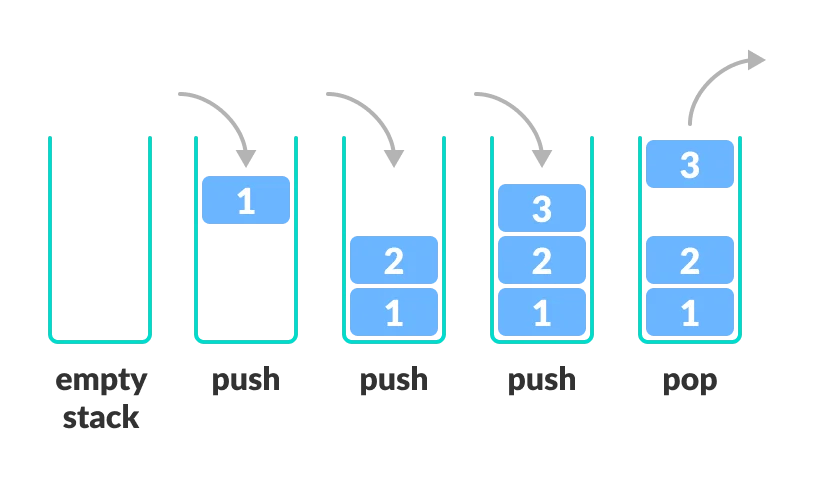
Write a C program for Stack Implementation.

Figure: Stack Implementation

#include <stdio.h>

int stack[4];
int top = -1;

void push(int element) {
    if (top == 4 - 1) {
        printf("Stack Overflow\n");
    } else {
        stack[++top] = element;
        printf("Pushed is: %d \n", element);
    }
}

void pop() {
    if (top == -1) {
        printf("Stack Underflow\n");
    } else {
        printf("Popped is: %d \n", stack[top--]);
    }
}

int peek() {
    if (top == -1) {
        printf("Stack is empty\n");
        return -1;
    } else {
        return stack[top];
    }
}

int main() {
    //!showArray(stack)
    push(10);
    push(20);
    push(30);
    push(40);
    push(50);
    printf("Top Element is: %d\n", peek());
    pop();
    pop();
    pop();
    pop();
    pop();
    printf("Top Element is: %d\n", peek());
    return 0;
}

Pushed is: 10 
Pushed is: 20 
Pushed is: 30 
Pushed is: 40 
Stack Overflow
Top Element is: 40
Popped is: 40 
Popped is: 30 
Popped is: 20 
Popped is: 10 
Stack Underflow
Stack is empty
Top Element is:-1

C Programming Lab Manual – 57

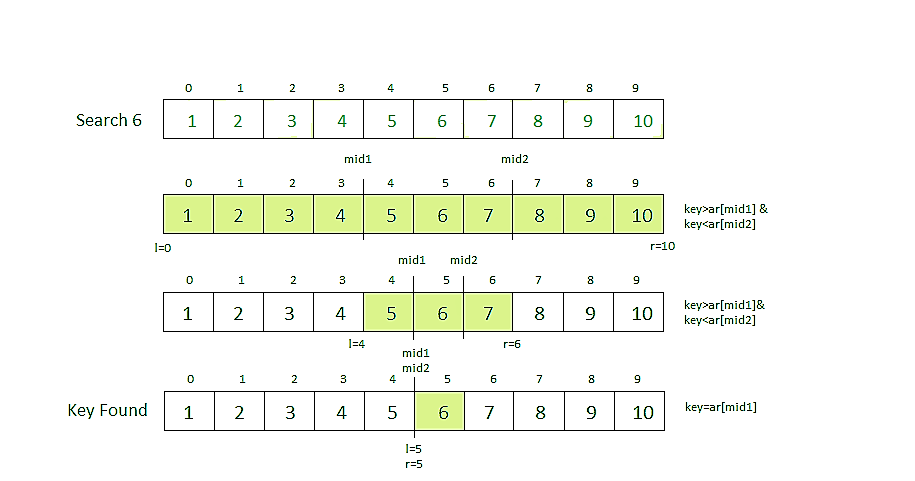
Write a C program for Ternary Search.

double ternary_search(double l, double r) {
    double eps = 1e-9;              //set the error limit here
    while (r - l > eps) {
        double m1 = l + (r - l) / 3;
        double m2 = r - (r - l) / 3;
        double f1 = f(m1);      //evaluates the function at m1
        double f2 = f(m2);      //evaluates the function at m2
        if (f1 < f2)
            l = m1;
        else
            r = m2;
    }
    return f(l);                    //return the maximum of f(x) in [l, r]
}

Figure: Ternary Search

#include <stdio.h>

int ternarySearch(int l, int r, int key, int ar[])
{
	if (r >= l) {

		// Find the mid1 and mid2
		int mid1 = l + (r - l) / 3;
		int mid2 = r - (r - l) / 3;

		// Check if key is present at any mid
		if (ar[mid1] == key) {
			return mid1;
		}
		if (ar[mid2] == key) {
			return mid2;
		}


		if (key < ar[mid1]) {

			// The key lies in between l and mid1
			return ternarySearch(l, mid1 - 1, key, ar);
		}
		else if (key > ar[mid2]) { 

			// The key lies in between mid2 and r
			return ternarySearch(mid2 + 1, r, key, ar);
		}
		else {

			// The key lies in between mid1 and mid2
			return ternarySearch(mid1 + 1, mid2 - 1, key, ar);
		}
	}

	// Key not found
	return -1;
}

// Driver code
int main()
{
    //!showArray(ar)
	int l, r, p, key;

	// Get the array
	// Sort the array if not sorted
	int ar[] = { 1, 2, 3, 4, 5, 6, 7, 8, 9, 10 };

	// Starting index
	l = 0;

	// end element index
	r = 9;

	// Checking for 5

	// Key to be searched in the array
	key = 5;

	// Search the key using ternarySearch
	p = ternarySearch(l, r, key, ar);

	// Print the result
	printf("Index of %d is %d\n", key, p);

	// Checking for 50

	// Key to be searched in the array
	key = 50;

	// Search the key using ternarySearch
	p = ternarySearch(l, r, key, ar);

	// Print the result
	printf("Index of %d is %d", key, p);
}

Index of 5 is 4
Index of 50 is -1

C Programming Lab Manual – 56

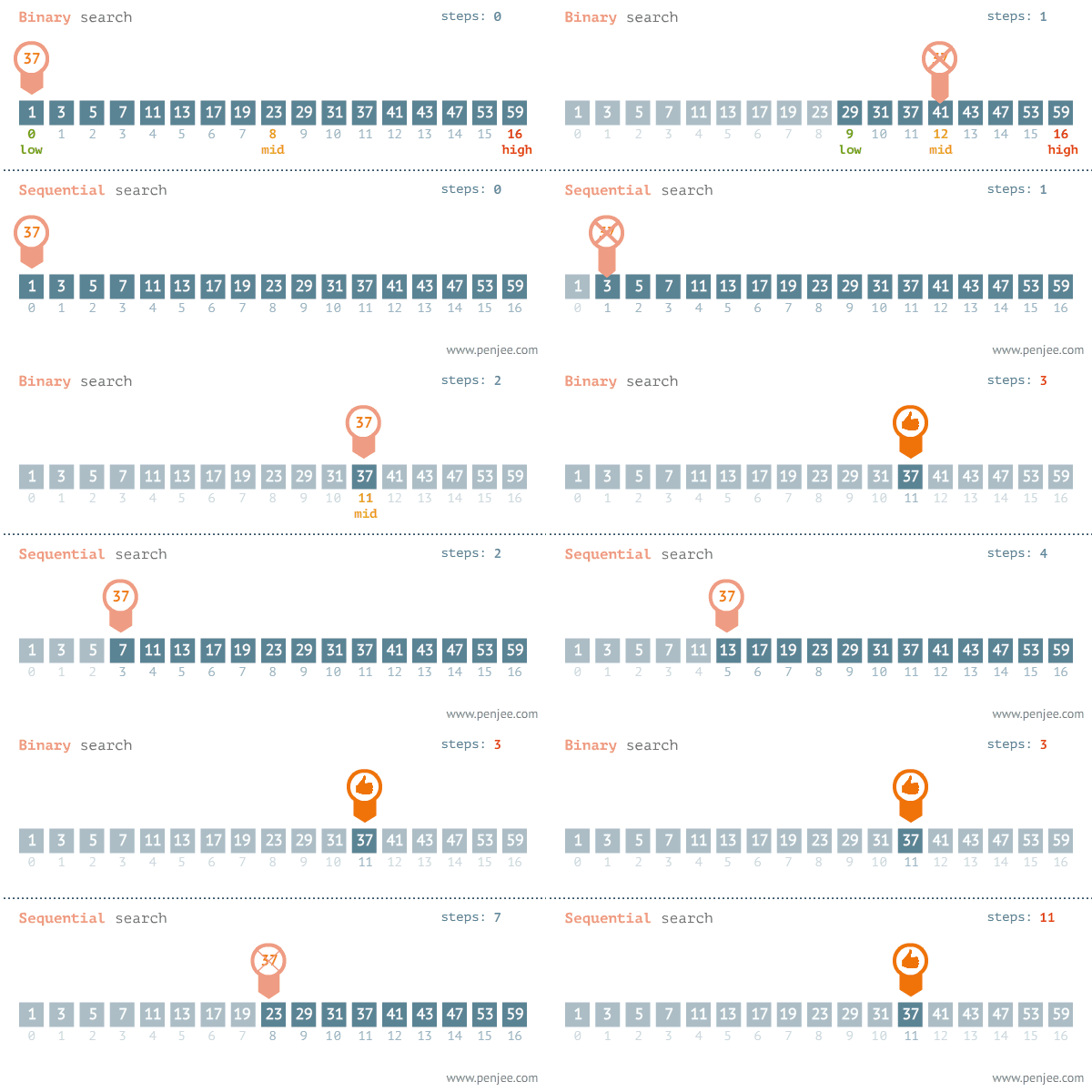
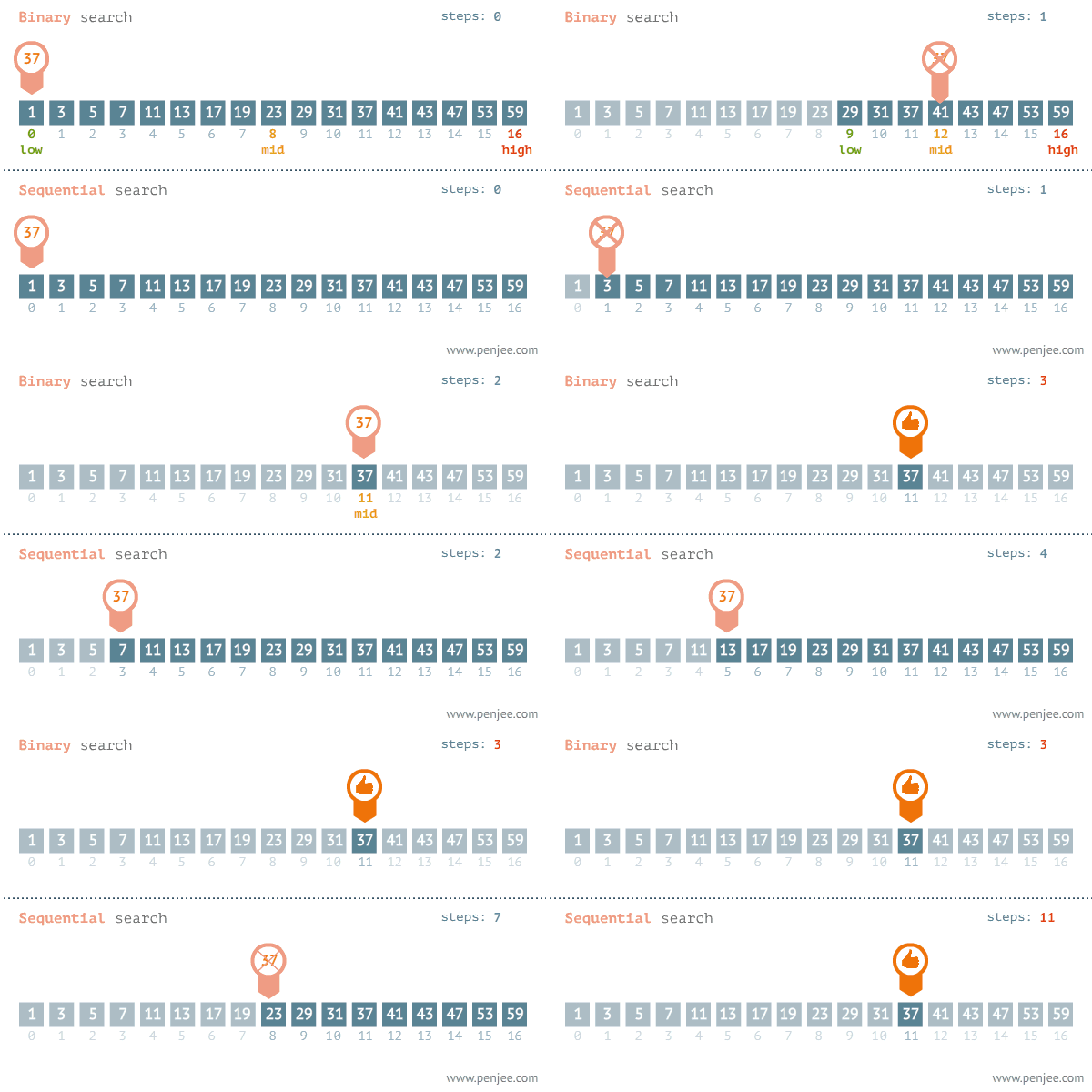
Write a C program for Binary Search.

Procedure binary_search
   A ← sorted array
   n ← size of array
   x ← value to be searched

   Set lowerBound = 1
   Set upperBound = n 

   while x not found
      if upperBound < lowerBound 
         EXIT: x does not exists.
   
      set midPoint = lowerBound + ( upperBound - lowerBound ) / 2
      
      if A[midPoint] < x
         set lowerBound = midPoint + 1
         
      if A[midPoint] > x
         set upperBound = midPoint - 1 

      if A[midPoint] = x 
         EXIT: x found at location midPoint
   end while
   
end procedure
Figure: Binary Search

#include <stdio.h>
int binarySearch(int [], int, int, int);

int main()
{
    //!showArray(array)
  int array[10], c, first, last, n, search,  index;

  printf("Enter number of elements\n");
  scanf("%d", &n);

  printf("Enter %d integers\n", n);

  for (c = 0; c < n; c++)
    scanf("%d", &array[c]);

  printf("Enter value to find\n");
  scanf("%d", &search);

  first = 0;
  last = n - 1;

  index = binarySearch(array, first, last, search);
 
  if (index == -1)
    printf("Not found! %d isn't present in the list.\n", search);
  else
    printf("%d is present at location %d.\n", search, index + 1);
 
  return 0;
} 

int binarySearch(int a[], int s, int e, int f) {
  int m;
 
  if (s > e) // Not found
     return -1;

  m = (s + e)/2;

  if (a[m] == f)  // element found
    return m;
  else if (f > a[m])  
    return binarySearch(a, m+1, e, f);
  else
    return binarySearch(a, s, m-1, f);
}

Enter number of elements
5
Enter 5 integers
1
2
3
4
5
Enter value to find
5
5 is present at location 5. 

C Programming Lab Manual – 55

Write a C program for Linear Search.

procedure linear_search (list, value)

   for each item in the list
      if match item == value
         return the item's location
      end if
   end for

end procedure
Figure: Linear Search

#include <stdio.h>
 
int linear_search(int [], int, int);
 
int main()
{
    //!showArray(array)
int array[10], search, c, n, position;
 
   printf("Input number of elements in array\n");
   scanf("%d", &n);
 
   printf("Input %d numbers\n", n);
 
   for (c = 0; c < n; c++)
      scanf("%d", &array[c]);
 
   printf("Input a number to search\n");
   scanf("%d", &search);
 
   position = linear_search(array, n, search);
 
   if (position == -1)
      printf("%d isn't present in the array.\n", search);
   else
      printf("%d is present at location %d.\n", search, position+1);
 
   return 0;
}
 
int linear_search(int a[], int n, int find) {
int c;
 
   for (c = 0 ;c < n ; c++ ) {
      if (a[c] == find)
         return c;
   }
 
   return -1;
} 

Input number of elements in array
5
Input 5 numbers
5
4
3
2
1
Input a number to search
1
1 is present at location 5.

C Programming Lab Manual – 54

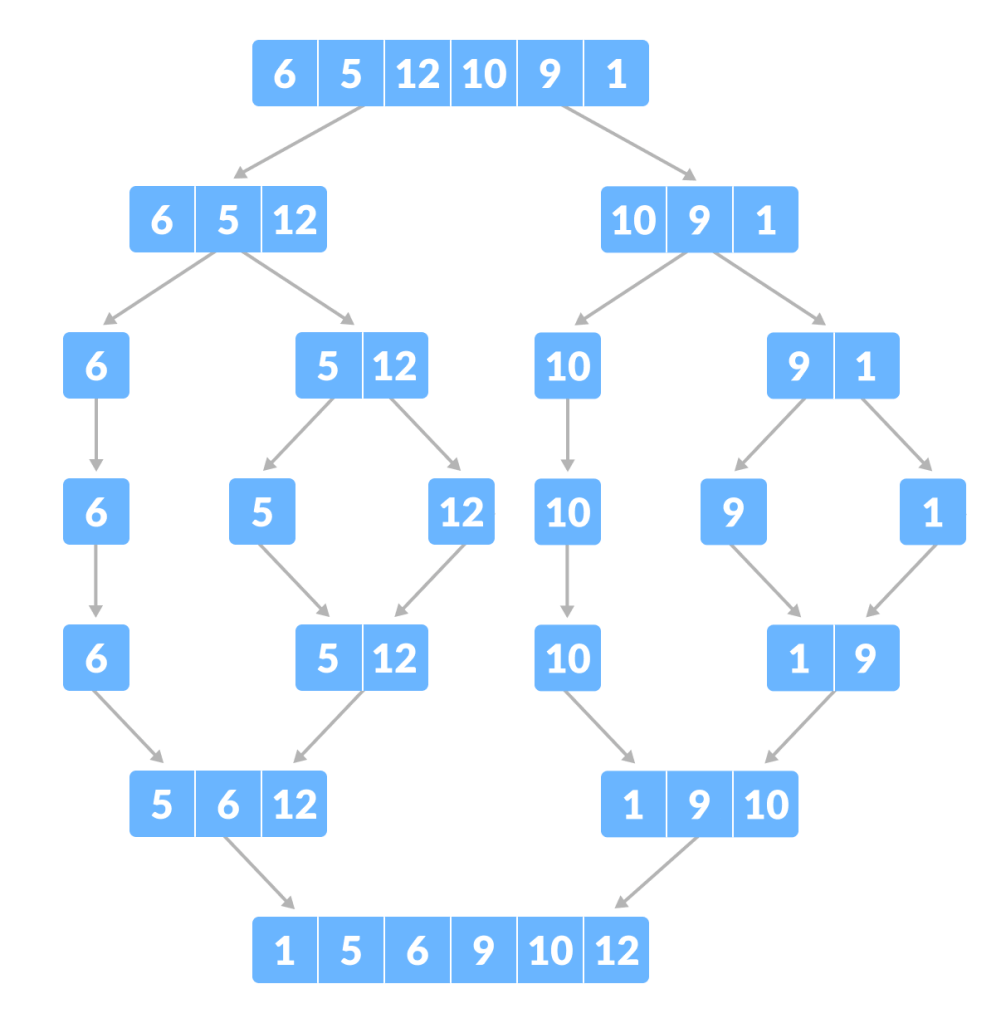
Write a C program for Marge Sort.

MergeSort(A,p,r):

	if p < r
  q = ⌊ (p+r)/2 ⌋
	 MergeSort(A,p,q)
	 MergeSort(A,q+1,r)
	 Merge(A,p,q,r)

Merge(A,p,q,r):

	n1 = q - p + 1
	n2 = r - q
	let L, R be new arrays
	for i = 1 to n1
	 L[i] = A[p+i-1]
	for j = 1 to n2
	 R[j] = A[q+j]
	L[n1+1] = ∞
	R[n2+1] = ∞
	i = 1
	j = 1
	for k = p to r
	 if L[i] ≤ R[j]
	 A[k] = L[i]
	 i = i + 1
	 else
	 A[k] = R[j]
	 j = j + 1

Figure: Marge Sort

#include <stdio.h>

void merge_sort(int i, int j, int a[], int aux[]) {
    if (j <= i) {
        return;
    }
    int mid = (i + j) / 2;

    merge_sort(i, mid, a, aux);
    merge_sort(mid + 1, j, a, aux);
    int pointer_left = i;
    int pointer_right = mid + 1;
    int k;

    for (k = i; k <= j; k++) {
        if (pointer_left == mid + 1) {
            aux[k] = a[pointer_right];
            pointer_right++;
        } else if (pointer_right == j + 1) {
            aux[k] = a[pointer_left];
            pointer_left++;
        } else if (a[pointer_left] < a[pointer_right]) {
            aux[k] = a[pointer_left];
            pointer_left++;
        } else {
            aux[k] = a[pointer_right];
            pointer_right++;
        }
    }

    for (k = i; k <= j; k++) {
        a[k] = aux[k];
    }
}

int main() {
    //!showSort(a)
    int a[5], aux[5], n, i;
    printf("Enter number of elements in the array:\n");
    scanf("%d", &n);
    printf("Enter %d integers\n", n);
    for (i = 0; i < n; i++)
        scanf("%d", &a[i]);

    merge_sort(0, n - 1, a, aux);

    printf("Printing the sorted array:\n");
    for (i = 0; i < n; i++)
        printf("\t%d", a[i]);

    return 0;
}

Enter number of elements in the array:
5
Enter 5 integers
5
4
3
2
1
Printing the sorted array:
	1	2	3	4	5

C Programming Lab Manual – 53

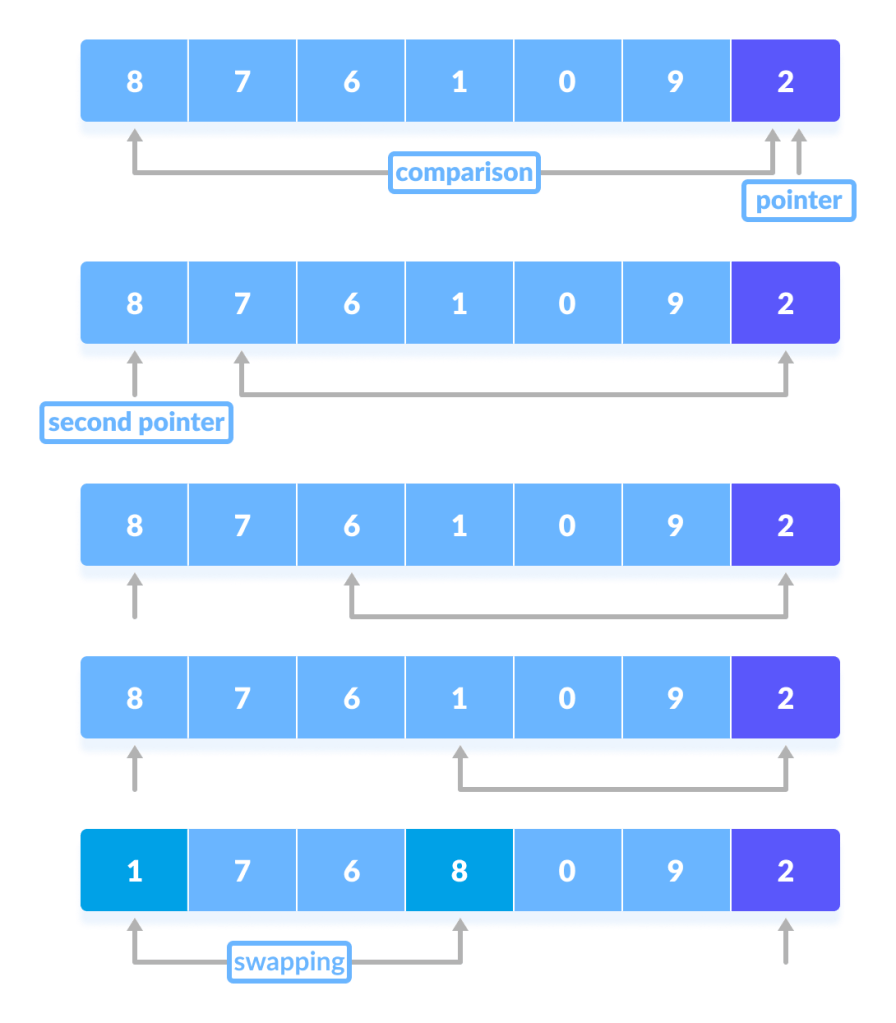
Write a C program for Quick Sort.

Quicksort(A,p,r):

	if p < r
	 q = Partition(A,p,r)
	 Quicksort(A,p,q - 1)
	 Quicksort(A,q + 1,r)

Partition(A,p,r):
	i = p-1
	for j = p to r-1
	 if A[j] ≤ A[r]
	 i = i + 1

	 exchange A[i] with A[j]
	exchange A[i+1] with A[r]
	return i+1

Figure: Quick Sort

#include <stdio.h>
 
void print_array(int size, int array[]) {
    for (int pos = 0; pos < size; pos += 1) {
        printf("%d%s", array[pos], pos + 1 == size ? "" : " ");
    }
    printf("\n");
}
 
void quick_sort (int size, int array[], int left, int right) {
    //! quicksort = showSort(array, cursors=[left, right, i, j], dim=size, thresholds=[pivot])
    if (right <= left)
        return;
    int pivot = array[right];
    int i = left;
    int j = right;
    while (1) {
        while (array[i] < pivot)
            i += 1;
        while (pivot < array[j])
            j -= 1;
        if (i >= j) {
            break;
        }
        int temp = array[i];
        array[i] = array[j];
        array[j] = temp;
        i += 1;
        j -= 1;
    }
    quick_sort(size, array, left, i - 1);
    quick_sort(size, array, i, right);
}
 
int main() {
    //! quicksort = showSort(array, dim=n)
    int array[] = {4, 2, 1, 2, 3, 2, 1, 0, 1};
    int n = sizeof array / sizeof *array;
    quick_sort(n, array, 0, n - 1);
    print_array(n, array);
    return 0;
} 

0 1 1 1 2 2 2 3 4

C Programming Lab Manual – 52

Write a C program for Insertion Sort.

for j = 2 to A.length
	 key = A[j]
	 i = j - 1
	 while i > 0 and A[i] > key
  A[i + 1] = A[i]
	 i = i - 1
	 A[i + 1] = key
Figure: Insertion Sort

#include <stdio.h>

int main()
{
//!showSort(array)
  int n, array[5], c, d, t, flag = 0;

  printf("Enter number of elements\n");
  scanf("%d", &n);

  printf("Enter %d integers\n", n);

  for (c = 0; c < n; c++)
    scanf("%d", &array[c]);

  for (c = 1 ; c <= n - 1; c++) {
    t = array[c];

    for (d = c - 1 ; d >= 0; d--) {
      if (array[d] > t) {
        array[d+1] = array[d];
        flag = 1;
      }
      else
        break;
    }
    if (flag)
      array[d+1] = t;
  }

  printf("Sorted list in ascending order:\n");

  for (c = 0; c <= n - 1; c++) {
    printf("%d\n", array[c]);
  }

  return 0;
}

Enter number of elements
5
Enter 5 integers
5
4
3
2
1
Sorted list in ascending order:
1
2
3
4
5

C Programming Lab Manual – 51

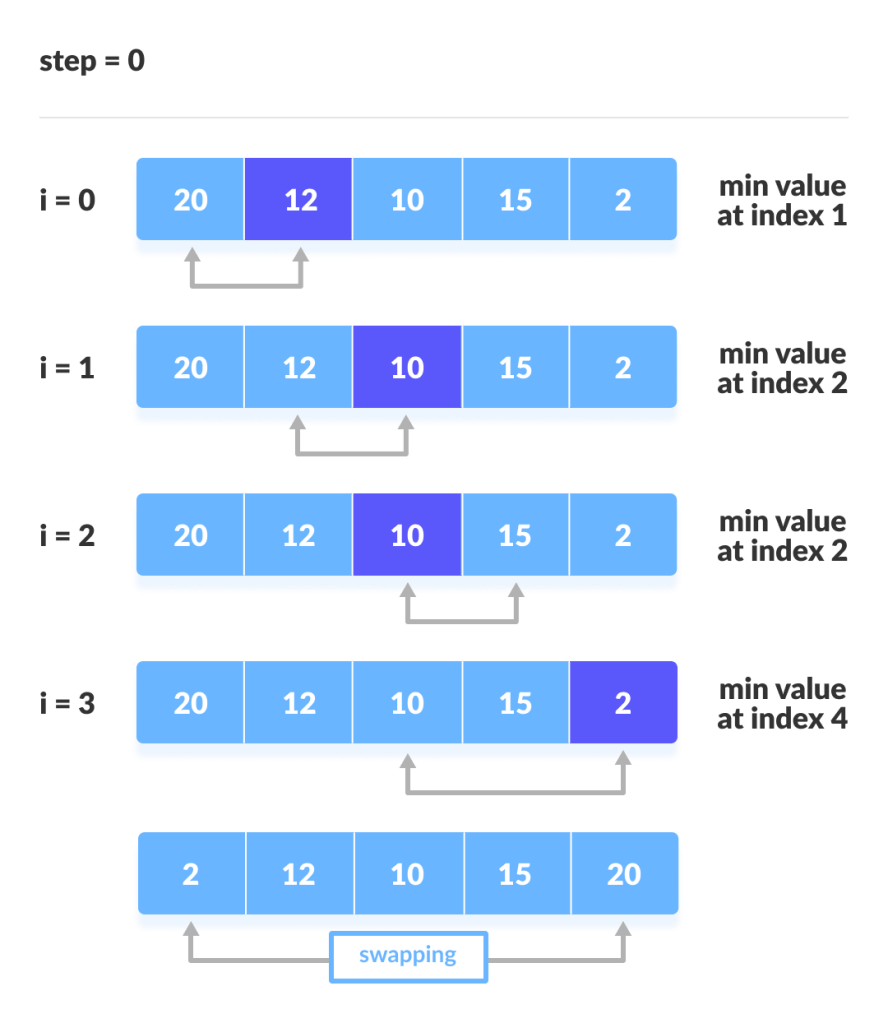
Write a C program for Selection Sort.

for i = 0 to A.length-2
 # find smallest item in A[i..]
	    m = i
	    for j = i+1 to A.length-1
        if A[j] < A[m]
	       m = j
 swap A[i] and A[m]

Figure: Selection Sort

#include <stdio.h>
int main()
{
    //!showSort(array)
  int array[5], n, c, d, position, t;

  printf("Enter number of elements\n");
  scanf("%d", &n);

  printf("Enter %d integers\n", n);

  for (c = 0; c < n; c++)
    scanf("%d", &array[c]);

  for (c = 0; c < (n - 1); c++) // finding minimum element (n-1) times
  {
    position = c;

    for (d = c + 1; d < n; d++)
    {
      if (array[position] > array[d])
        position = d;
    }
    if (position != c)
    {
      t = array[c];
      array[c] = array[position];
      array[position] = t;
    }
  }

  printf("Sorted list in ascending order:\n");

  for (c = 0; c < n; c++)
    printf("%d\n", array[c]);

  return 0;
} 

Enter number of elements
5
Enter 5 integers
5
4
3
2
1
Sorted list in ascending order:
1
2
3
4
5